很多海外品牌进入中国市场时,容易把重点放在“欧洲制造”“天然”“高端”等标签上。但对营养品行业来说,真正长期有效的竞争力,是消费者能否看懂、信任并持续复购。
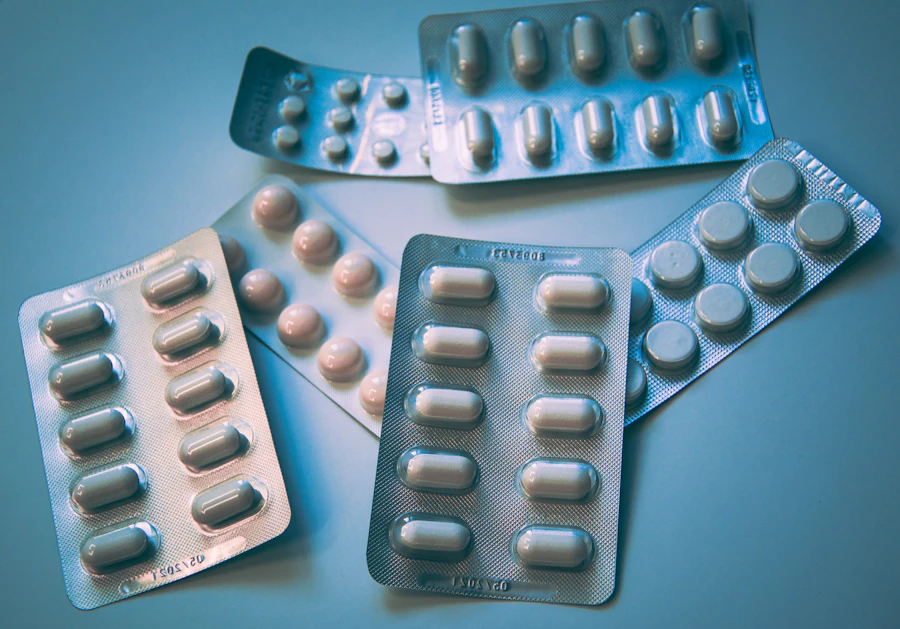
欧盟对食品补充剂和营养健康声称有较明确的监管框架。欧盟委员会对食品补充剂的说明强调,这类产品通常是以片剂、胶囊、液体定量等形式提供的浓缩营养或生理作用物质;其规则目标之一,是保护消费者并避免误导性信息。
在健康声称方面,欧盟要求相关表述应基于科学证据,并且能够被消费者容易理解。也就是说,品牌不能只靠夸大宣传,而要能把“成分—剂量—作用逻辑—适用人群—使用边界”讲清楚。
这对进入中国市场也很重要。中国消费者越来越成熟,对“神奇效果”“快速改善”等表达更警惕。优秀的欧洲品牌如果能够提供清晰配方、规范标签、真实检测文件和稳定批次管理,反而更容易建立长期口碑。
荣程国际在筛选海外营养品品牌时,会优先关注品牌历史、生产资质、成分透明度、合规表达、供应稳定性和中国渠道适配度,而不是只看短期价格差。
When overseas brands enter China, they often focus on labels such as “made in Europe,” “natural” or “premium.” In the nutrition industry, however, sustainable competitiveness depends on whether consumers can understand, trust and repeatedly purchase the product.
The European Union has a clear regulatory framework for food supplements and nutrition or health claims. The European Commission describes food supplements as concentrated sources of nutrients or other substances with nutritional or physiological effects, often supplied in dose form such as tablets, capsules or liquids.
For health claims, the EU emphasizes scientific evidence and consumer understanding. Brands need to explain the logic of ingredients, dosage, function, target users and usage boundaries, instead of relying on exaggerated promises.
This is also important for the Chinese market. Consumers are increasingly cautious about miraculous or fast-result claims. European brands with transparent formulas, proper labels, reliable testing documents and stable batch control are better positioned to build long-term trust.
When evaluating overseas nutrition brands, RONCO prioritizes brand history, production qualification, ingredient transparency, compliant communication, supply stability and China-channel suitability over short-term price gaps.